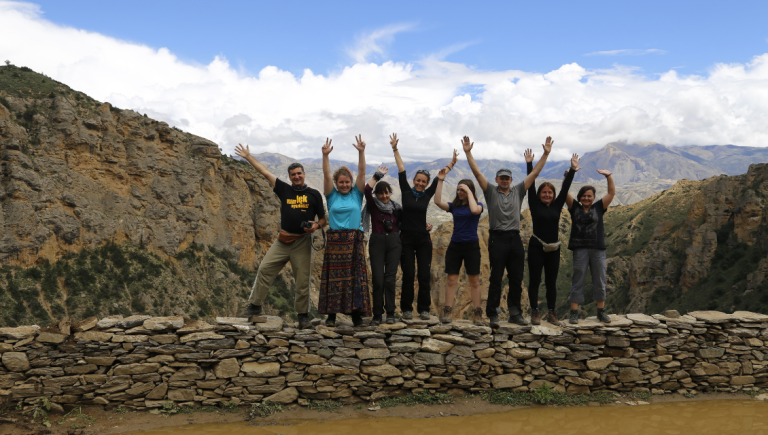
Hidden behind the Himalayan rain shadow, Lo Manthang Nepal is one of the last places on Earth where medieval Tibetan culture is still lived rather than displayed. The walled city sits at 3,840 meters (12,598 feet) in the Upper Mustang region, and it was closed to foreigners until 1992. Today, it can be reached on foot, by jeep, or by a combination of both.
If you are searching for how to visit Lo Manthang, how much it costs, which permits are required, and when to go, this guide answers every question in one place. It was written for travelers from the USA, Canada, the UK, Australia, and Europe who want a practical, up-to-date plan before booking.
What Is Lo Manthang Nepal?
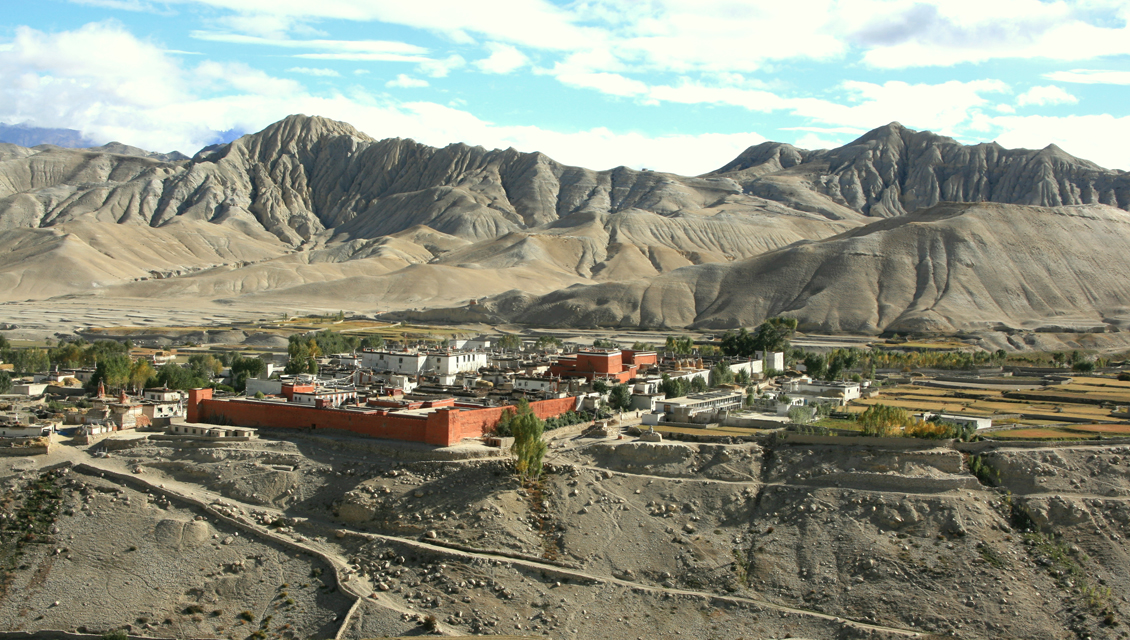
Lo Manthang is the historic capital of the former Kingdom of Lo, located in the northern part of the Mustang District. The name roughly means “Plain of Aspiration” in the Tibetan language. A fortified wall, roughly 8 meters high, surrounds the town, and inside it, around 150 whitewashed houses, monasteries, and a former royal palace are packed together in narrow lanes.
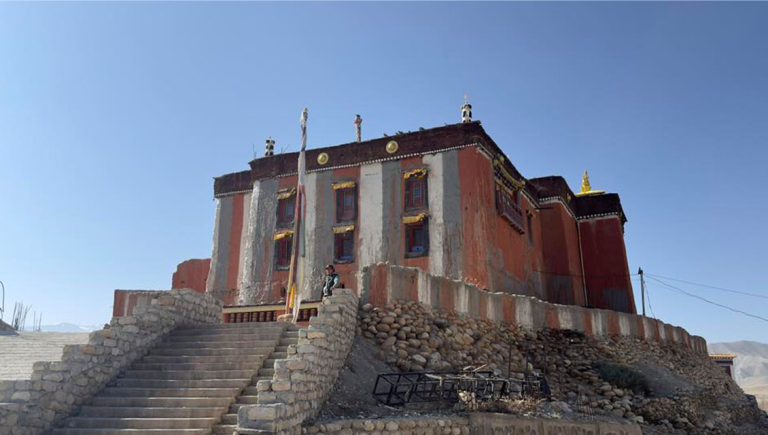
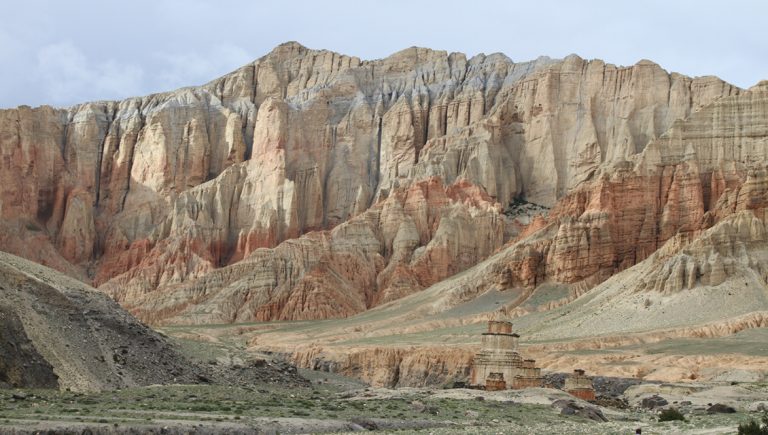
For visitors, Lo Manthang Nepal offers something rare: a living Tibetan Buddhist settlement that has changed slowly over six centuries. Mud-brick houses, prayer flags, yak caravans, and red-ochre monasteries define the landscape. The surrounding terrain looks more like the Tibetan Plateau than the green hills most people picture in Nepal.
Where Is Lo Manthang Located?
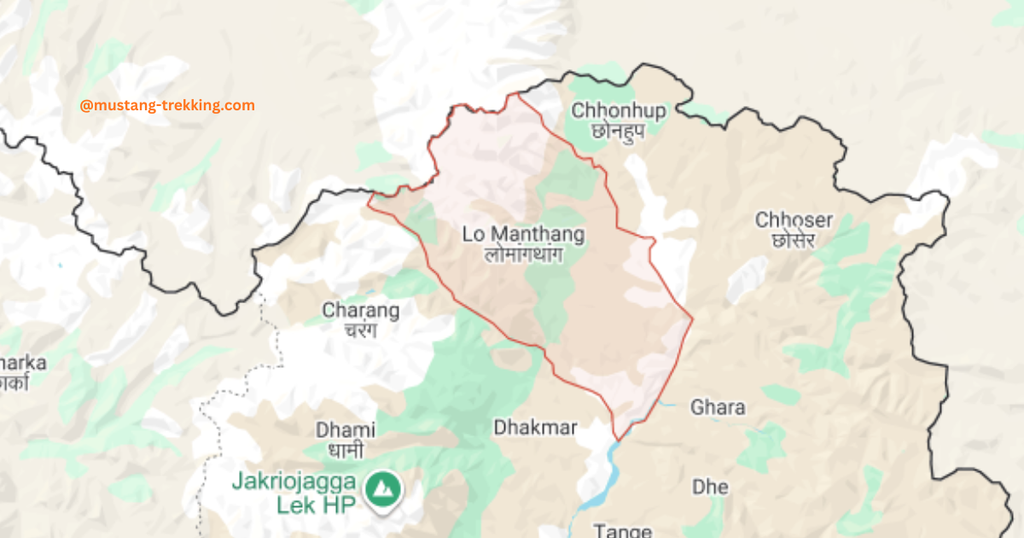
Lo Manthang is located in Upper Mustang, close to the Nepal-Tibet (China) border. Most trekkers begin in Pokhara, fly to Jomsom, and continue north along the Kali Gandaki River valley. The town lies roughly 3 to 5 days’ walk from Jomsom, depending on the route taken.
Because it lies in the rain shadow of the Annapurna and Dhaulagiri ranges, the area receives very little monsoon rain. That is why Lo Manthang Nepal can be visited during the summer months, when many other Nepal trekking routes are wet and cloudy.
A Brief History of the Kingdom of Lo
The Kingdom of Lo was founded in 1380 by Ame Pal, a warrior who united the surrounding villages. The kingdom controlled a section of the ancient salt trade route between Tibet and India, and its wealth was built on that commerce.
Lo Manthang was officially annexed by Nepal in the late 18th century, yet the local kings continued to rule symbolically for centuries. The title was formally abolished in 2008, when Nepal became a republic. The last king, Jigme Palbar Bista, passed away in 2016.
Many historical sites are still preserved today. The Thubchen Gompa, Jampa Lhakhang, and Chhoser Cave complexes hold murals and statues that have been studied by art historians from around the world.
Why Visit Lo Manthang Nepal?
There are several strong reasons why this destination continues to rank among the best off-the-beaten-path journeys in Asia.
1. Authentic Tibetan culture. Unlike many tourist-heavy trekking regions, Upper Mustang has preserved its language, dress, and religious traditions.
2. Dramatic desert scenery. Eroded canyons, red cliffs, and golden valleys are surrounded by snow peaks. Photographers are often amazed by the color palette.
3. Fewer crowds. Only a limited number of permits are issued each year, so the trails remain quiet compared with Everest or Annapurna.
4. Monsoon-friendly trekking. Because rainfall is low, July and August remain good trekking months.
5. Ancient cave systems. Thousands of man-made caves, some dating back more than 2,000 years, are carved into the cliffs.
6. Flexible travel style. The journey can be completed as a full trek, a jeep tour, or a mix of both.
Lo Manthang Nepal Permit Cost and Requirements
Because Upper Mustang is a restricted area, special permits must be purchased before entry. This is one of the most searched topics among travelers, so current details are summarized below. Please note that fees are revised from time to time, so rates should always be confirmed with a registered trekking company before booking.
Permits normally required:
- Upper Mustang Restricted Area Permit (RAP): Around USD 500 per person for the first 10 days, plus approximately USD 50 for each additional day.
- Annapurna Conservation Area Permit (ACAP): Around NPR 3,000 per person (approximately USD 25).
- TIMS card: Depending on current rules, this may or may not be requested.
Important rules:
- Permits can only be issued through a government-registered trekking agency in Nepal.
- A licensed guide must accompany the group.
- Passport copies, passport-sized photos, and a visa copy must be submitted.
Best Time to Visit Lo Manthang Nepal
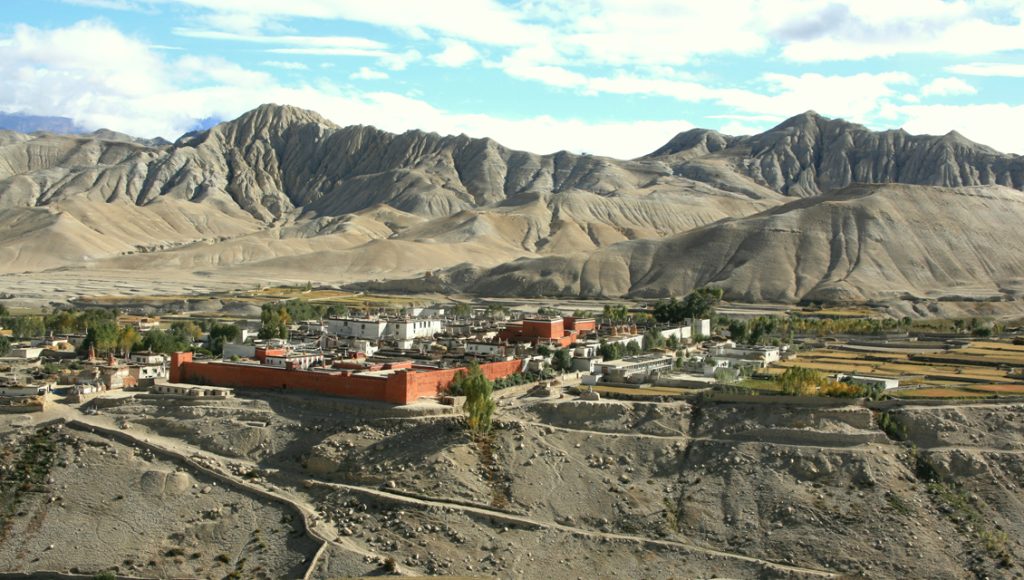
The best time to visit Lo Manthang Nepal depends on what kind of experience is wanted.
Spring (March to May): Mild days and blooming valleys make this a good season. Evenings are still cold, and strong afternoon winds are common.
Summer (June to August): This is the unique advantage of the region. The area is sheltered from monsoon rains, so skies are often clear. Daytime temperatures are pleasant, and the landscape is greener.
Autumn (September to November): Stable weather, crisp visibility, and comfortable temperatures make autumn the most popular season. Bookings should be made early.
Winter (December to February): Heavy snow and extreme cold make this season difficult. Many lodges are closed, and the trek is generally not recommended.
Festival timing: The Tiji Festival is usually held in May, depending on the lunar calendar. Travelers who want to witness it are advised to reserve space many months ahead.
How to Reach Lo Manthang Nepal
Several travel options are available, and the correct one depends on time, budget, and fitness.
Step 1: Fly into Kathmandu. Tribhuvan International Airport receives flights from the USA via hubs such as Doha, Dubai, Istanbul, and Delhi.
Step 2: Travel to Pokhara. This can be done by a 25-minute flight or a 6 to 7 hour drive.
Step 3: Reach Jomsom. A short scenic flight is operated between Pokhara and Jomsom, though flights are weather-dependent and are usually scheduled in the morning.
Step 4: Continue to Lo Manthang. From Jomsom, the journey can be done by:
- Trekking: About 8 to 10 days round trip on foot, passing Kagbeni, Chele, Syanbochen, Ghami, Charang, and Lo Manthang.
- Jeep: A rough road now connects Jomsom to Lo Manthang. A jeep ride typically takes 8 to 10 hours in one direction.
- Combination: Many travelers trek one way and return by jeep to save time.
Lo Manthang Trek Itinerary (14 Days)
This sample itinerary is commonly followed by international groups. It can be shortened or extended on request.
Day 1: Arrival in Kathmandu (1,400 m). Airport pickup and hotel transfer. A welcome briefing is held in the evening.
Day 2: Sightseeing and permit preparation. Visit UNESCO sites such as Boudhanath and Pashupatinath while the permits are being processed.
Day 3: Fly or drive to Pokhara (820 m). Free time by Phewa Lake.
Day 4: Fly to Jomsom (2,720 m), trek to Kagbeni (2,810 m). The first walk follows the Kali Gandaki, the deepest gorge in the world.
Day 5: Kagbeni to Chele (3,050 m). The restricted area is entered here, and permits are checked.
Day 6: Chele to Syanbochen (3,475 m). High passes and sweeping views of red cliffs appear along the route.
Day 7: Syanbochen to Ghami (3,520 m). The longest Mani wall in Nepal is passed.
Day 8: Ghami to Tsarang (3,560 m). A large monastery and a former royal palace are visited.
Day 9: Tsarang to Lo Manthang (3,840 m). The walled city comes into view after crossing the final ridge.
Day 10: Explore Lo Manthang. Monasteries, the royal palace, and local homes are visited on a guided walking tour.
Day 11: Excursion to Chhoser or Namgyal Gompa. Sacred caves and cliffside monasteries are explored.
Day 12: Return toward Dhakmar and Ghiling. An alternative route is used for the return journey.
Day 13: Return to Jomsom. The final trekking day concludes with a farewell dinner.
Day 14: Fly to Pokhara and Kathmandu. The group is transferred to the hotel.
Top Attractions in Lo Manthang Nepal
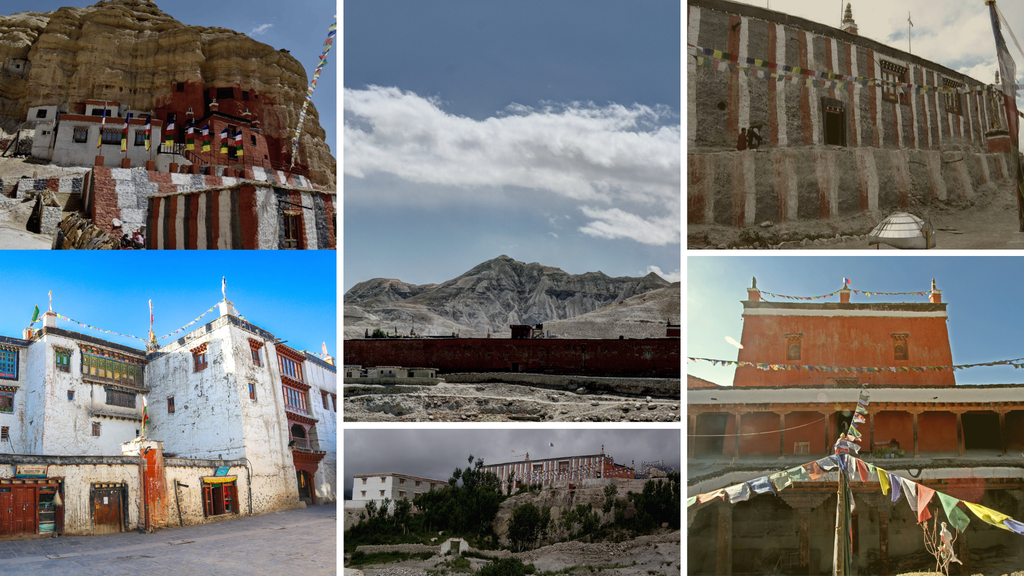
The Walled City of Lo Manthang
The fortified town is the main highlight. Its gates are closed at night in the traditional manner, and the maze of lanes is best explored slowly on foot.
Thubchen Gompa
Built in the early 15th century, this large assembly hall is known for its painted walls and giant statues. Entry is allowed with a small fee, and photography inside is generally restricted.
Jampa Lhakhang (Champa Lhakhang)
Often called the “God House,” this temple features a three-story Maitreya Buddha and a series of rare mandalas that are widely considered masterpieces of Tibetan art.
Royal Palace
The nine-story palace stands at the center of town. Although the monarchy has been abolished, the building remains a symbol of local identity.
Chhoser Cave Complex
A multi-level cave system, believed to have been used for meditation and shelter, can be visited in a half-day excursion from Lo Manthang.
Namgyal Monastery
Located on a hill above the city, this monastery offers panoramic views and a chance to observe daily monastic life.
Tibetan Border Viewpoint
Day trips toward the Tibetan border viewpoint are sometimes arranged for those who wish to see the vast plateau beyond. Access rules vary, so guidance should be sought from the operator.
Lo Manthang Nepal Trek Cost and Budget
Budgeting is a major concern for international travelers. Prices vary depending on group size, season, transport method, and level of comfort.
Typical cost range per person (approximate):
- Budget group trek (12 to 14 days): USD 2,200 to USD 2,800
- Standard guided package: USD 2,800 to USD 3,800
- Private or luxury package: USD 4,000 to USD 6,000 or more
- Jeep tour (7 to 9 days): USD 2,500 to USD 4,000
What is usually included:
- Restricted Area Permit and ACAP
- Licensed English-speaking guide and porter
- Lodge accommodation with meals during the trek
- Ground transport and domestic flights (when specified)
- Airport pickup and drop-off
What is usually not included:
- International flights
- Nepal entry visa (about USD 50 for 30 days, paid on arrival)
- Travel insurance with helicopter evacuation coverage
- Tips, personal expenses, and alcoholic drinks
Early booking is recommended, since limited permits and seasonal demand can raise prices and reduce availability.
Accommodation and Food in Lo Manthang
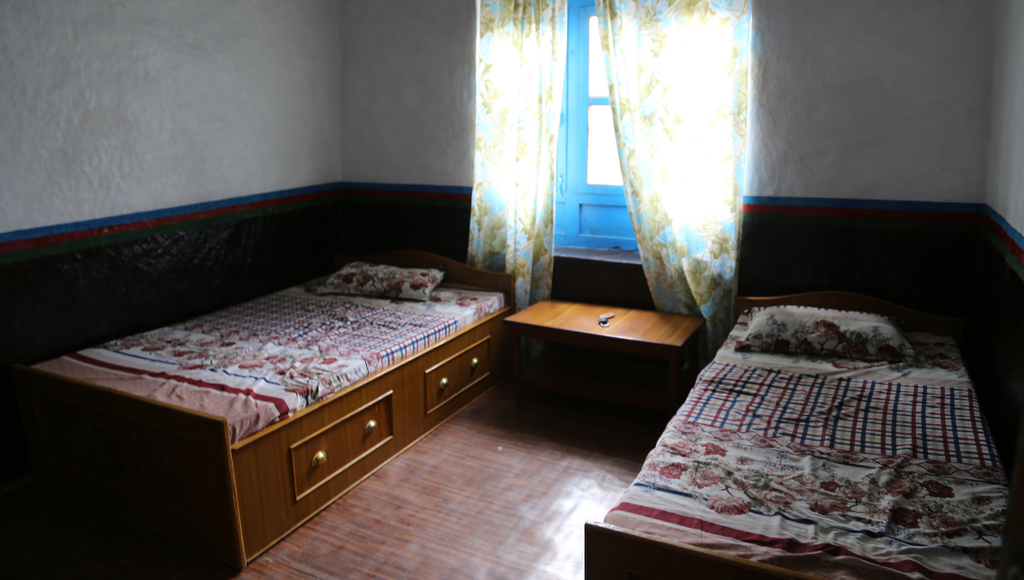
Lo Manthang has grown into a comfortable base. Teahouses, guesthouses, and a few boutique hotels are available. Rooms are generally simple, with twin beds, shared bathrooms, and occasional hot showers for an additional fee. Higher-end lodges offer attached bathrooms and heating.
Meals are mainly based on rice, lentils, noodles, momos, Tibetan bread, and potatoes. Yak cheese, buckwheat pancakes, and butter tea are also served. Vegetarian options are widely available. Bottled or treated water should always be used, and purification tablets are recommended.
Because supplies are carried over long distances, prices are higher than in lower regions. Cash in Nepali rupees should be carried, as ATMs are unreliable beyond Jomsom.
Altitude, Safety, and Fitness
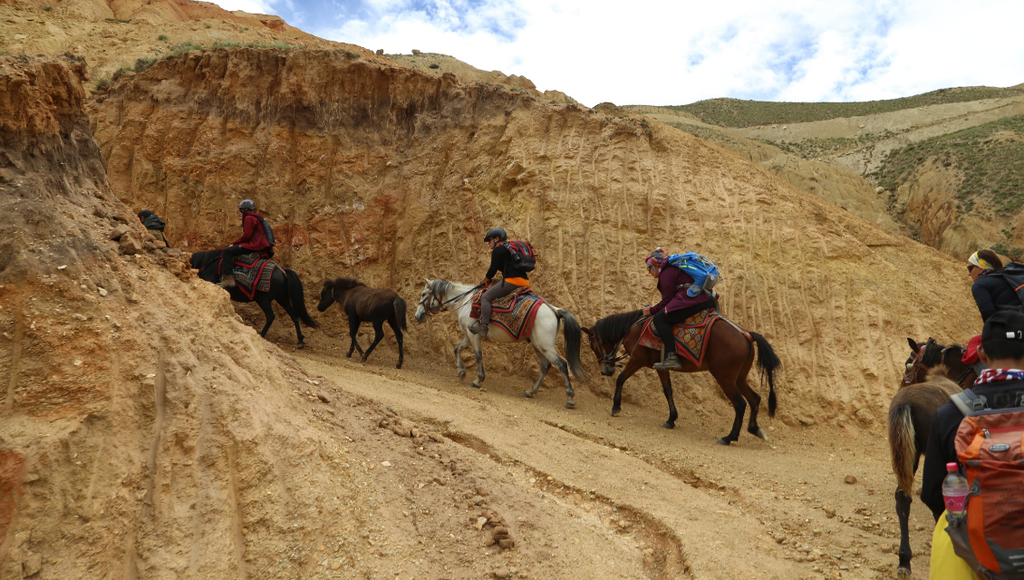
Although Lo Manthang is at 3,840 meters, the trek is considered moderate in difficulty. The highest pass is around 4,200 meters, and the gradual ascent helps the body adapt.
Altitude safety tips:
- Ascend slowly and rest when needed.
- Drink 3 to 4 liters of water per day.
- Avoid alcohol on the first nights at altitude.
- Know the symptoms of Acute Mountain Sickness (AMS): headache, nausea, dizziness, and fatigue.
- Descend immediately if symptoms get worse.
Fitness preparation: Hiking, stair climbing, and cardio training should begin 6 to 8 weeks before departure. Previous trekking experience is helpful but not required.
Other safety concerns: Strong winds, dust, and intense sunlight are common. High-SPF sunscreen, sunglasses, and lip balm should be packed. Comprehensive travel insurance covering emergency evacuation up to 4,500 meters is strongly advised.
What to Pack for Lo Manthang Nepal
Layering is the key. Temperatures can swing from warm afternoons to freezing nights.
- Moisture-wicking base layers
- Insulated down jacket
- Waterproof and windproof shell
- Sturdy, broken-in trekking boots
- Warm hat, gloves, and sun hat
- Sleeping bag rated to -10°C (can often be rented in Kathmandu)
- Trekking poles
- Sunglasses with UV protection
- Water bottle and purification tablets
- Headlamp with extra batteries
- Basic first-aid kit and personal medication
- Power bank and universal adapter (Type C, D, and M sockets are used)
- Passport, permits, and printed insurance papers
Tiji Festival in Lo Manthang
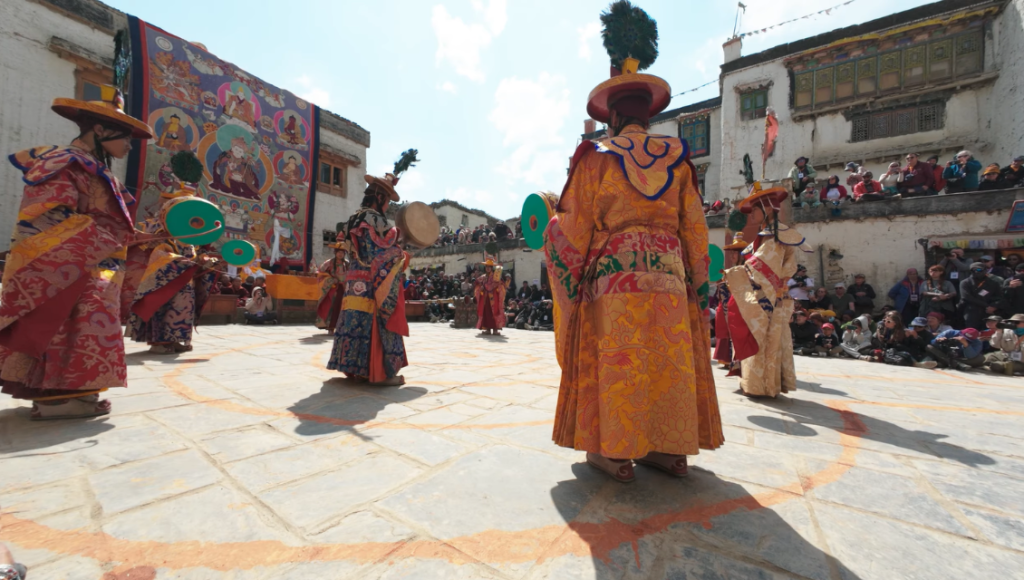
The Tiji Festival is a three-day Buddhist celebration that is held annually, typically in May but in 2027, the Tiji Festival 2027 is going to be held on June 1 to 3. Masked monks perform sacred dances that retell the legend of Dorje Jono, who defeats a demon to save the kingdom from destruction.
Colorful costumes, drums, long horns, and chanting fill the royal courtyard. Locals from across Upper Mustang gather in traditional dress, and visitors are warmly welcomed.
Because the festival attracts photographers and cultural travelers from around the world, accommodation in Lo Manthang is often sold out months in advance. If this event is on your wish list, flights and permits should be reserved as early as possible. Exact dates are determined by the Tibetan lunar calendar and should be verified before booking.
Tips for American and International Travelers
Travelers from the USA, Canada, Europe, and Australia often ask the same practical questions. The following tips are based on common concerns.
- Visa: A Nepal tourist visa is available online in advance or on arrival at Kathmandu airport. A 30-day visa is usually sufficient.
- Travel time: Flights from the USA generally take 20 to 28 hours with one or two connections. A few buffer days should be planned in case of weather delays at Jomsom.
- Insurance: Policies must include high-altitude trekking and helicopter rescue.
- Vaccinations: Routine vaccines, hepatitis A, and typhoid are commonly recommended. A travel clinic should be consulted 6 to 8 weeks before departure.
- Currency: Nepali rupees are used. US dollars are accepted by agencies, but small purchases in villages require local cash.
- Connectivity: Mobile coverage and Wi-Fi are available in some villages, though speeds are slow. Local SIM cards can be purchased in Kathmandu.
- Cultural respect: Always walk clockwise around Buddhist monuments, ask before photographing people, and dress modestly in monasteries.
- Responsible travel: Plastic waste should be minimized, and locally owned lodges and guides should be supported whenever possible.
How to Book Your Lo Manthang Nepal Trip
Booking a restricted-area trek requires more planning than a standard trek, so the process should be started early. Here is a simple step-by-step approach:
- Choose your travel style. Decide between trekking, jeep touring, or a blended itinerary.
- Select your dates. Consider the Tiji Festival, autumn peak season, or summer rain-shadow trekking.
- Compare operators. Look for a government-registered, licensed company with strong international reviews, transparent pricing, and experienced guides.
- Request a custom quote. Ask for a detailed itinerary showing what is included and excluded.
- Submit documents. Passport copies, photos, and insurance information are required for permit processing.
- Pay the deposit. A deposit is commonly requested to secure permits and domestic flights.
- Prepare and travel. Final briefings are given in Kathmandu before departure.
Booking tip: Always confirm refund policies, weather-delay arrangements, and emergency procedures in writing before payment is made.
Ready to explore the Forbidden Kingdom? Contact us and reserve your Lo Manthang Nepal adventure.
Final Thoughts on Lo Manthang Nepal
Few places can match the atmosphere of Lo Manthang Nepal. Ancient walls, painted monasteries, windswept canyons, and warm Himalayan hospitality combine to create a journey that is remembered for a lifetime. Because permits are limited and seasonal demand is rising, the best time to plan is now.
Whether you choose a classic trek, a fast jeep tour, or a customized cultural expedition, careful preparation and a trusted local operator will make the difference. Reserve your dates, secure your permits, and get ready to step into the last forbidden kingdom of the Himalayas.