Dreaming of walking through the ancient Kingdom of Lo? Your first practical question is simple: what is the Upper Mustang permit cost? The answer changed recently, and the change favors travelers. Nepal replaced its old flat fee with a pay-per-day system. Short trips now cost far less than before, and longer treks are priced fairly.
This guide explains every permit, every fee, and every rule that affects your budget. Travelers from the USA, Canada, the UK, Australia, and Europe will find clear numbers, real cost examples, and step-by-step booking advice. By the end, you will know exactly what to pay, who to pay, and how to secure your permit without stress.
Upper Mustang Permit Cost at a Glance
Most international visitors need two permits for Upper Mustang. The table below shows the current costs for foreign nationals.
| Permit | Cost (Foreign Nationals) | Validity / Notes |
|---|---|---|
| Restricted Area Permit (RAP) | USD 50 per person per day | Charged for days spent inside the restricted zone |
| Annapurna Conservation Area Permit (ACAP) | NPR 3,000 per person (about USD 22–25) | One-time fee for the whole trek |
| TIMS card | Usually covered by agency; confirm at booking | Rules vary, see below |
In short, a typical 10-day stay inside Upper Mustang costs about USD 500 for the restricted area permit, plus the ACAP fee. A shorter 6-day stay costs about USD 300 plus ACAP. Fees change with trip length, so you control your permit budget.
What Is the Upper Mustang Restricted Area Permit?
Upper Mustang sits close to the Tibetan border. For this reason, Nepal classifies the region beyond Kagbeni as a restricted area. Foreign visitors cannot enter without a special permit, and the Department of Immigration in Kathmandu issues it. The permit covers the restricted zones of Mustang beyond Kagbeni.
The Restricted Area Permit, usually shortened to RAP, is the single biggest permit expense on your trip. It also works as your legal proof of entry. Officials check it at several points along the route, so you must carry it at all times.
Nepal has regulated this area since the 1970s. Tourism only opened in 1992, and the region still limits visitor numbers to protect its fragile culture and landscape. That history explains why the permit costs more than a standard trekking permit.
Upper Mustang Permit Cost for Foreigners: The New $50 Per Day Rule
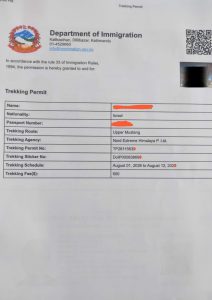
Until late 2025, every foreign visitor paid USD 500 for the first 10 days, with USD 50 for each extra day. A visitor who stayed only five days still paid the full USD 500. That rule discouraged short trips, jeep tours, and cultural visits.
The new rule fixes this problem. You now pay USD 50 per person for each day you spend inside the restricted zone. Here is what that means in real numbers:
- 5 days inside the zone: USD 250 per person
- 7 days inside the zone: USD 350 per person
- 10 days inside the zone: USD 500 per person
- 12 days inside the zone: USD 600 per person
- 14 days inside the zone: USD 700 per person
Notice that 10 days still costs USD 500. Long-stay trekkers pay the same as before. Short-stay travelers save the most money, and the savings can reach several hundred dollars per couple.
Your agency files your entry and exit dates when it applies for the permit. The permit is tied to those exact dates, so your itinerary must be accurate. If your plans change, tell your operator immediately.
Annapurna Conservation Area Permit (ACAP) Cost
Upper Mustang lies inside the Annapurna Conservation Area. That is why every visitor needs an ACAP in addition to the RAP. The ACAP covers the entire conservation area, including Upper Mustang.
Here is what you need to know:
- Cost for foreigners: NPR 3,000 per person, which is roughly USD 22–25, depending on the exchange rate
- Cost for SAARC nationals: NPR 1,000 per person
- Cost for Nepali citizens: NPR 100 per person
- Payment: One-time fee, with no daily charge
- Where to buy: The Nepal Tourism Board office in Kathmandu or the ACAP counter in Pokhara
The ACAP fee supports trail maintenance, conservation work, and local community projects. Your agency can arrange the ACAP for you, which saves time before you fly to Jomsom.
Do You Need a TIMS Card for Upper Mustang?
TIMS stands for Trekkers’ Information Management System. Nepal introduced it to track trekkers and improve safety. For Upper Mustang, sources give different answers. One 2026 guide says a Restricted Area Permit replaces the TIMS card requirement for that specific zone. Other operators still list a TIMS card, usually around NPR 2,000 for foreigners.
The safest approach is simple. Ask your trekking agency to confirm the current TIMS requirement in your written quote. A reputable operator knows the latest rules and arranges every permit as part of your package.
Upper Mustang Permit Cost Examples by Trip Type
Permit costs depend on how long you stay inside the restricted zone. These examples show typical totals per person. They include the ACAP fee at roughly USD 25.
Upper Mustang jeep tour (6 days inside the zone)
RAP: USD 300 | ACAP: about USD 25 | Total: about USD 325
Classic Upper Mustang trek (10 days inside the zone)
RAP: USD 500 | ACAP: about USD 25 | Total: about USD 525
Extended trek with Tiji Festival or side valleys (13 days inside the zone)
RAP: USD 650 | ACAP: about USD 25 | Total: about USD 675
These figures cover permits only. Guides, porters, transport, meals, and lodging add to your total. We cover those costs below.
Permit Costs for SAARC and Nepali Citizens
International travelers from the USA and Europe pay the foreign rate. Citizens of SAARC countries, such as India, Bangladesh, Bhutan, Sri Lanka, Pakistan, and the Maldives, pay a reduced rate. Some operators quote about USD 25 per day for SAARC visitors, but fees can differ by source and year. Ask your agency for the official figure before you pay.
Nepali citizens need special permission from the Department of Immigration or the local administration. The fees are much lower. The ACAP costs only NPR 100 for Nepali citizens.
Upper Mustang Permit Rules Every Traveler Must Know
The permit cost matters, but the rules matter just as much. Breaking them can cancel your permit or lead to fines. Follow these requirements:
1. Book through a registered trekking agency. Foreign visitors cannot apply for the RAP on their own. A licensed Nepali agency submits your application to the Department of Immigration. Foreign trekkers cannot apply for the permit themselves.
2. Hire a licensed guide. Independent trekking is prohibited in Upper Mustang. A government-licensed guide must travel with you for the whole route.
3. Expect a minimum group size of two. Many agencies still require at least two foreign trekkers per permit application. Policy debates continue, so check the current rule before you book. If you travel alone, many operators can pair you with another traveler.
4. Stay on the approved route. Your permit lists your entry point, route, and dates. Trekking outside that plan violates the permit.
5. Carry every permit. Police and army checkposts inspect permits at Kagbeni and other points. Keep copies in your daypack.
How to Get the Upper Mustang Permit: Step-by-Step
Booking a permit sounds complicated, but a good agency handles most of the work. Here is the process from start to finish.
Step 1: Choose your travel dates. The best season runs from March to November. Pick your dates and confirm your flight into Kathmandu.
Step 2: Select a registered agency. Choose an operator with a government license, clear pricing, and strong reviews from foreign travelers. Ask whether the quote includes the RAP, ACAP, guide, and transport.
Step 3: Send your documents. Your agency needs a scanned passport copy, your Nepal visa details, passport-size photos, and your full itinerary. Send these at least 5–7 days before your trek starts.
Step 4: Pay the permit fees. You usually pay your agency, which pays the government. Ask for a written receipt that lists each permit and amount.
Step 5: Receive your permit. The Department of Immigration issues the RAP in Kathmandu. Your agency also buys the ACAP and delivers copies before you travel.
Step 6: Travel to Jomsom. Fly from Pokhara or drive through the Kali Gandaki valley. Show your permits at each checkpoint.
Documents Required for the Upper Mustang Permit
Prepare these items before you contact your agency:
- Valid passport with at least six months of remaining validity
- Nepal tourist visa (available on arrival at Tribhuvan International Airport)
- Two recent passport-size photographs
- Passport copy and visa copy
- Full trek itinerary with entry and exit dates
- Travel insurance that covers high-altitude trekking and helicopter evacuation
Travel insurance is not a government permit requirement, but every serious operator requires it. Mustang is remote, and rescue flights cost thousands of dollars without coverage.
Upper Mustang Permit Cost vs. Total Trip Budget
The permit is only one part of your budget. Many travelers ask for the total price of the trip. Here is a realistic breakdown for a 10–14 day Upper Mustang trek:
| Expense | Typical Cost (per person) |
|---|---|
| Restricted Area Permit | USD 50 per day inside the zone |
| ACAP | About USD 25 |
| Licensed guide | USD 30–50 per day |
| Porter (optional) | USD 20–30 per day |
| Lodging and meals | USD 40–70 per day |
| Transport (flights or jeep) | Varies by route |
Complete Upper Mustang trips generally cost between $2,000 and $3,500 per person. Group size, season, and comfort level change the final number. A private luxury trip costs more. A budget group departure costs less.
The permit often represents 15–25% of the trip price. That is a fair investment for access to one of the most unique landscapes on Earth.
How to Save Money on Your Upper Mustang Permit
You cannot negotiate the government fee, but you can control your total permit spending. These tips help.
Plan a shorter stay inside the zone. The new daily system rewards efficient itineraries. A jeep tour cuts your days in the restricted area, which cuts your permit cost.
Join a group departure. Group trips split guide and transport costs. They also solve the two-trekker minimum.
Book early. Early booking gives your agency time to prepare permits without rush fees or last-minute errors.
Compare package inclusions. A cheap quote that excludes permits is not cheap. Ask your agency to list every fee in writing.
Avoid unlicensed operators. Illegal agencies sometimes quote low prices, then fail to deliver valid permits. Always verify an agency’s registration.
Best Time to Visit Upper Mustang
The region sits in the rain shadow of the Annapurna and Dhaulagiri ranges. It stays dry when other Nepal treks turn muddy. The main seasons are:
- Spring (March to May): Warm days, clear views, and the famous Tiji Festival in Lo Manthang, usually in May
- Summer (June to August): Excellent for Mustang because the monsoon rarely reaches this region
- Autumn (September to November): Stable weather, golden light, and strong visibility
- Winter (December to February): Very cold, with some lodges closed
Peak months fill quickly. Book permits and lodging early if you want to attend a festival or travel in October.
Common Permit Mistakes to Avoid
Travelers often make the same errors. Avoid these problems:
- Trusting outdated websites that still quote the old USD 500 flat fee
- Sending documents too late, which delays the permit
- Forgetting to confirm the TIMS requirement in writing
- Changing the itinerary after the permit is issued
- Traveling without printed permit copies
- Booking with an unregistered agency
Fix these issues before you leave home, and your trip will run smoothly.
Is the Upper Mustang Permit Worth the Cost?
Yes, for most travelers. Upper Mustang offers walled villages, cliffside monasteries, sky caves, and a living Tibetan Buddhist culture. The fee pays for controlled access, which protects the region from mass tourism. The new daily rate makes that access fairer, especially for travelers with limited time.
Compared with other restricted areas, Upper Mustang now offers better flexibility. Other regions still charge a flat 10-day minimum, so Mustang is a smart choice for budget-conscious adventurers.
Book Your Upper Mustang Permit With Confidence
The Upper Mustang permit cost is now more flexible and fairer than ever. At USD 50 per day plus a small ACAP fee, you can plan a trip that fits your schedule and budget. Choose a registered agency, prepare your documents early, and confirm every rule in writing.
Ready to explore the Forbidden Kingdom? Contact us for your preferred dates. Spots fill fast in spring and autumn, so book early and secure your adventure.